Transforming Mental Wellness: How AI Therapy is Changing Lives
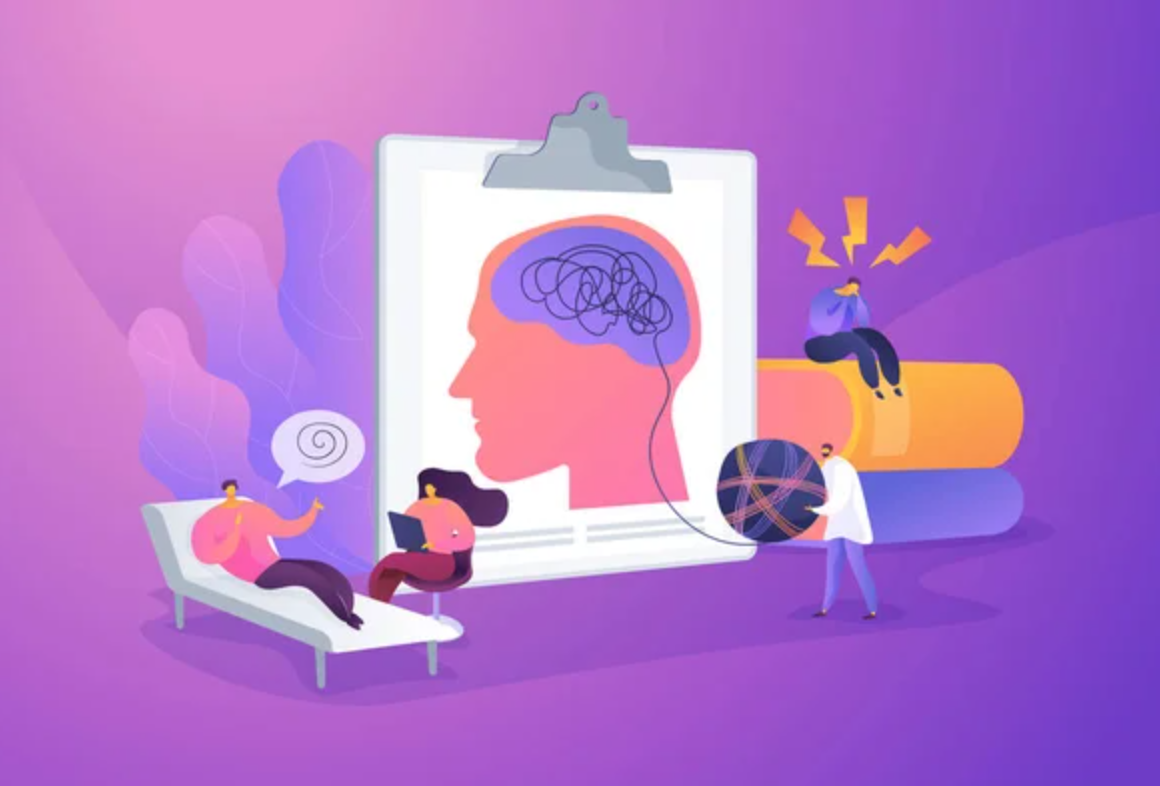
In today’s fast-paced world, mental health has become one of the most important yet often neglected aspects of our overall well-being. Stress, anxiety, and depression are now common challenges that people face in daily life. While traditional therapy remains effective, not everyone can access or afford it. Fortunately, artificial intelligence (AI) is stepping up as a powerful tool to make emotional support more accessible, affordable, and personal.
Platforms like Wellzy.io are leading this digital transformation, combining science, empathy, and innovation to help people take better care of their mental health. Whether someone feels overwhelmed by work, struggles with depression, or simply needs a moment of calm, AI-based therapy is providing a new path toward emotional healing.
The Growing Mental Health Need
Mental health issues have become a global concern. The World Health Organization reports that more than 300 million people suffer from depression worldwide, and millions more experience anxiety or stress-related disorders. Despite this, therapy remains inaccessible for many due to high costs, long waiting times, or the lack of available professionals. Even those who want help may struggle to find the right therapist or feel hesitant to open up due to fear of judgment or stigma. This is where technology — and specifically AI — is making a real difference. By integrating psychology with intelligent algorithms, digital therapy tools are helping individuals connect with emotional support instantly and privately.
What Makes AI Therapy So Effective?
AI therapy tools use advanced natural language processing (NLP) and machine learning to engage in conversations that feel human and empathetic. When someone types out their feelings or discusses a stressful experience, the AI analyzes their words, tone, and emotional cues to respond thoughtfully.
For instance, an Ai mental health therapist chatbot free can guide users through mindfulness techniques, help identify negative thought patterns, or even suggest coping mechanisms based on proven psychological methods like Cognitive Behavioral Therapy (CBT).
Unlike traditional therapy sessions that require scheduling and payment, AI chatbots are available 24/7 — free of judgment and always ready to listen. For many users, this accessibility offers a sense of safety and consistency that traditional systems sometimes lack.
The Role of AI in Supporting Depression and Anxiety
Depression can make life feel heavy and hopeless. Many people find it hard to reach out for help or even recognize that they need support. This is where an AI Therapist for Depression Support can be particularly impactful. These systems are trained to detect linguistic patterns that often appear in depressive conversations — words that reflect sadness, fatigue, guilt, or isolation. The AI responds with gentle encouragement, coping tools, and positive reinforcement. Over time, it helps users reframe negative thoughts and find ways to manage their emotions better. For example, a person feeling lonely might be guided toward a gratitude exercise or reminded to take a short walk outdoors. Someone feeling anxious might receive a breathing technique or grounding exercise. These small, timely interventions can make a big difference, especially when delivered consistently.
Benefits of AI-Powered Mental Health Tools
AI therapy tools are designed to complement, not replace, human therapists. Their goal is to make emotional support available to everyone, anytime. Here are some of the main benefits:
24/7 Availability – AI tools are always accessible. Whether it’s late at night or during a stressful workday, users can connect instantly without waiting for appointments.
Affordability – Many platforms offer low-cost or even free versions, breaking financial barriers that prevent people from seeking help.
Privacy & Anonymity – Users can express their emotions freely, knowing their data is safe and their identity remains private.
Consistency – AI doesn’t get tired or distracted. It offers constant, objective support and reinforcement.
Personalization – The more users interact, the better the AI understands their emotions, learning to provide more relevant suggestions over time.
How Wellzy.io is Leading the Way
Wellzy.io is among the platforms redefining mental health accessibility. With an easy-to-use interface and intelligent emotional support features, it aims to create a safe, comforting digital environment for users around the world. The platform uses a combination of AI-driven responses, mood tracking, and self-care recommendations to promote mental balance. Whether someone needs motivation, stress relief, or a listening ear, Wellzy.io ensures that help is always within reach. Moreover, the platform focuses on well-being education, helping users understand their emotions better. Through guided exercises, reflective prompts, and mindfulness-based techniques, it empowers individuals to take charge of their mental wellness.
The Human Touch Behind AI
While AI tools are efficient and available, they’re not meant to replace the human connection that therapy provides. Instead, they serve as a bridge — a first step toward mental health awareness and care. For many users, these digital companions make it easier to express feelings that might be difficult to share face-to-face.
AI can listen without judgment, offer science-backed strategies, and track progress over time. But the best outcomes often happen when these tools work alongside traditional therapy or professional guidance. This hybrid model — combining human expertise and AI accessibility — could shape the future of mental health care.
Ethical and Privacy Considerations
As with any technology handling sensitive information, privacy and data security are essential. Reputable platforms like Wellzy.io ensure that conversations remain confidential and encrypted. Users should always review privacy policies to understand how their information is stored and used.
Additionally, developers must ensure that AI systems are programmed responsibly — providing accurate, compassionate, and safe responses. Mental health is delicate, and every interaction must prioritize user well-being.
The Future of AI in Mental Health
The next generation of AI therapy will likely become even more advanced and emotionally intelligent. Future tools might analyze tone of voice, facial expressions, or physiological data (such as heart rate or sleep patterns) from wearable devices to deliver more personalized support.
Imagine an AI companion that detects early signs of burnout or depression and proactively offers resources, exercises, or motivational reminders. This is not science fiction — it’s a direction we’re quickly moving toward.
As these tools become smarter and more intuitive, they can play a vital role in preventive mental health care — helping people manage emotions before they reach a crisis point.
Final Thoughts
Mental health care should never be a privilege; it should be a universal right. With the integration of AI, we’re closer than ever to making that possible.
Platforms like Wellzy.io are redefining how we think about therapy by making emotional support available anytime, anywhere. Whether you’re struggling with depression, anxiety, or daily stress, AI therapy offers understanding, guidance, and comfort right when you need it most.
The future of mental wellness is compassionate, intelligent, and powered by technology — and it’s already here.









Write a comment ...